Delivery Optimization
Challenge
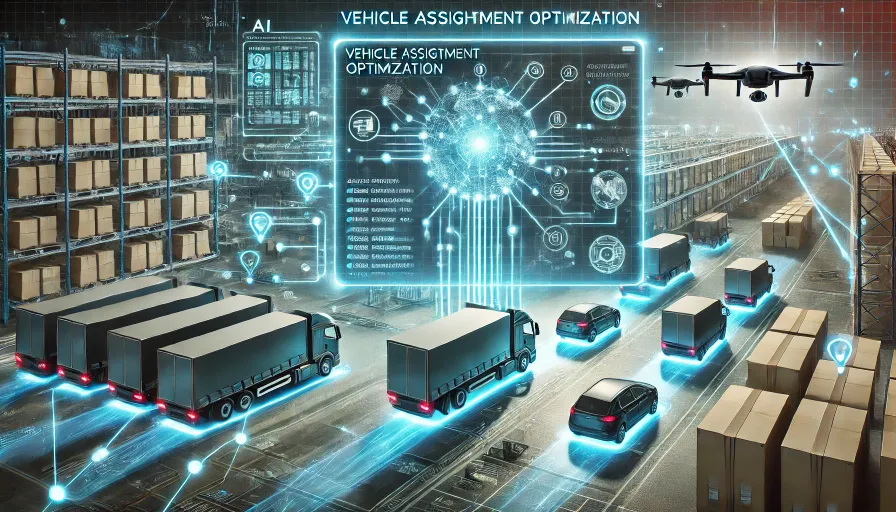
This project is related to the operation of delivery vehicles within a geographical area. Vehicles with specific characteristics (capacity, speed) are stationed at various base stations and transport materials from retail stores to customers' locations. Orders coming from upstream need to be batched and assigned to a vehicle, with constraints like maximum transit time and storage temperature.
The primary purpose of the simulation was to develop and collect information to be sent to an external algorithm responsible for optimizing order assignment to vehicles.
Solution
A simulation model was built using AnyLogic with GIS maps for locating stations, stores, and routes. The Process Modeling library combined with state charts handled order generation and vehicle movement.
Input Configuration
Parameters defined via Excel included:
- Geolocations of stations, stores, and customers
- Vehicle capacity, speed, and transportable material types
- Order arrival rates at different times of day
- Order types including size and criticality details
External Algorithm Integration
At the beginning of the model, all vehicles start at base stations. Orders are generated based on specified rates. If a pickup location isn't specified, the closest facility is chosen based on accessible routes and order type.
All order characteristics, locations, properties, and vehicle statuses are sent to the external algorithm via HTTP:
- Set up an HTTP client
- Convert data to JSON
- Create and send a POST request
- Receive the optimized assignment response
Each time new orders are generated, a new request with updated vehicle positions and order information is sent for re-optimization. Orders already delivered are excluded from new solutions.
Data Export
Exported data included:
- All order characteristics, assigned vehicles, and statuses
- Request and response times for each server round
- Vehicle activity information (pickup and drop-off times)
Results
In addition to providing information to the external algorithm for optimization, the simulation provided valuable analysis data for delivery durations, vehicle utilization, and the percentage of rejected orders due to unavailability or constraint violations.
Project Features
- Industry: Logistics, Delivery
- Model: Agent-Based, Discrete Events, GIS, Optimization
- Duration: 2 months
Need a similar simulation for your project?
Become a Client